
Ultimate Texas Holdem Rules Explained for Australian Casino Players
If you walk past a busy blackjack pit in Cairns and glance into the next aisle, you will often find Ultimate Texas Holdem running with a steady crowd of locals and visitors. The game looks familiar because it borrows the poker hand rankings you already know, but the betting structure is its own animal and the dealer never gets to bluff you. Understanding the actual rules matters more than memorising a poker strategy chart, because the way you place your three bets and when you choose to raise completely change the maths on the felt.
How the table is set up and why it feels different
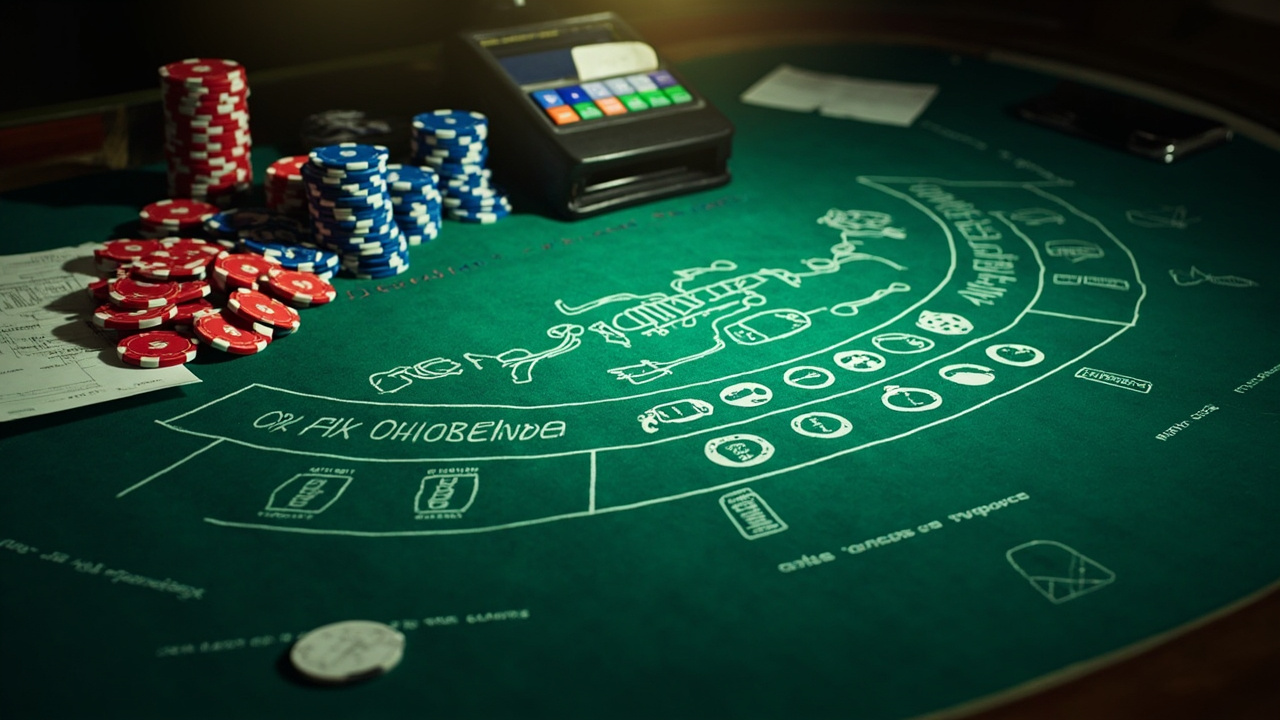
Ultimate Texas Holdem uses a standard 52-card deck and the same hand rankings you see in any poker room, from high card up to a royal flush. What separates it from a home-game poker night is that you are playing against the house, not against other players, and the dealer only reveals two hole cards at the end of the hand. You start every round by posting an ante, then you have two chances to raise before the cards are turned over. The first raise happens right after you see your two hole cards, and the second raise comes after the dealer places the three community cards, the flop, on the layout. If you never raise, you simply lose the ante and the blinds when the hand resolves. A push on a dealer 22 is not part of this game, which is a useful reminder if you are switching tables after a long session on Free Bet Blackjack, where that push rule on dealer 22 actually does apply to your double-downs and splits. The pace on a busy floor can feel a touch slower than blackjack because each hand runs through those two raise windows, but a good dealer keeps the rhythm steady and the chip stacks tidy.
Reading the three bets and the raise decisions
The layout always shows three betting spots in front of you: the ante, the blind, and the raise circle. The ante is the entry cost for the hand, and the blind is usually set at double the ante, so a $10 ante means a $20 blind sits on the table before any cards are dealt. Once your two hole cards are down, you can fold and lose only the ante, or you can make your first raise, which is typically either three times or four times the ante depending on the casino’s printed table rules. After the flop lands, you get a second decision point: if you still have not raised, you can now raise at two times the ante, and if you already raised earlier, you simply check through to the showdown. When the dealer reveals the final two cards and makes the best five-card hand, the payouts follow a fixed paytable rather than a pot split, so a royal flush pays far more than a straight, and a high pair pays only the blind amount. I have watched newcomers treat the first raise as optional and then regret it on the flop, because the real edge in this game comes from knowing which starting hands justify the extra chips and which ones belong in the fold. A practical example for an ordinary Australian reader is simple: if you are playing a quiet arvo session with a $25 ante, the first raise costs you $75 or $100 straight away, so the decision to raise on a suited ace-king is a very different spend from raising on a middle pair, and that difference is what keeps the bankroll from evaporating in a single bad run.
Player fit and who should sit down
The game suits players who like a structured poker feel without the pressure of reading opponents or managing a live pot, and it tends to work best for people who are comfortable making one or two firm decisions per hand rather than chasing every street. If you are the sort of player who prefers a clear paytable and a fixed house edge over a game where the dealer can bust or push in ways that change every round, Ultimate Texas Holdem gives you that kind of predictability. It is less friendly to players who want lots of action on every card, because the fold-and-lose-ante option is a real part of the strategy and not just a formality. For anyone comparing options on a lobby, the game usually sits alongside other table and live content, with providers and search tools organised so you can find the table limits and paytables before you commit any chips, and you can read more about how a lobby is laid out at jackp0t-j1ll-vip-login.com. I have supervised tables where the same game ran at two different limits and the higher-limit players made fewer total raises because they were more selective, which is a useful reminder that the rules do not change with the stakes but your discipline does. If you are still weighing which table games fit your style, it is worth reading a broader game mix and lobby review before you pick a seat.
A quick note on limits, payouts and the floor side of things
Casinos set their own ante limits and paytables, so two rooms can run the same game with different top bets and slightly different royal flush payouts, and that is why reading the printed table rules matters more than assuming every layout is identical. The blind always pays even money when you win, and the raise bets pay according to the posted schedule, so a hand that wins only on the blind side still returns something rather than wiping out the whole wager. From a compliance and dealer-development angle, I have always treated this game as one where the floor staff need to be precise about the raise timing, because a missed raise window or a chip placed after the flop lands can turn into a disputed hand very quickly. A clean table, clear verbal calls, and a dealer who repeats the raise options back to the player are the small things that keep the game running smoothly, and they matter just as much as the hand rankings themselves.

If you are new to the game, start by learning the ante and blind structure first, then practise the two raise windows on a quiet table before you try to play a full session. The rules are straightforward once you see them in motion, and the smartest approach is to treat every raise as a real cost, not a free option, so the game stays entertaining rather than expensive. jackp0t-j1ll-vip-login.com

 Muhammad Hannan August 28, 2026
Unlocking The Power Of Omegle On Android: A Complete Information
Muhammad Hannan August 28, 2026